Pinterest Enters the AI Age with Advanced Advertising Tools and Full-Funnel Marketing Strategy

Pinterest is rapidly positioning itself as a dominant full-funnel marketing powerhouse, driven by a wave of advanced artificial intelligence capabilities and targeted ad placements. During the annual “Pinterest Presents” event, company executives revealed an extensive suite of new advertising tools designed to capture consumer intent at the precise moment decisions are made. These features, set to roll out globally over the coming weeks, arrive as the visual discovery platform experiences a robust financial and user resurgence, fueled heavily by a young, highly engaged demographic.
The announcements highlight a strategic shift for Pinterest. Long regarded primarily as a top-of-funnel inspirational mood board where consumers gathered ideas without immediate transactional follow-through, the platform is now leveraging cutting-edge machine learning and computer vision to close the loop between discovery and purchase. With CEO Bill Ready spearheading this evolution, Pinterest is emphasizing its transformation into a performance platform where brand discovery directly converts into measurable sales.
Expanding the Advertising Arsenal with AI and Visual Search
At the core of Pinterest’s latest product rollout is a series of innovative advertising formats aimed at capturing high-intent consumer traffic. Among the most notable additions are Visual Search Ads, which are currently being deployed in beta across international markets. This tool allows brands to seamlessly integrate their products into search results and Pin close-ups—the specific images users click on to explore further.
When a user searches for a broad category such as statement handbags, Visual Search Ads instantly serve sponsored, highly relevant products from merchants. Crucially, the tool enables brands to drive lower-funnel conversions utilizing their existing campaign assets without requiring net-new creative production. This frictionless pathway from inspiration to checkout represents a major leap forward for digital marketers seeking immediate return on investment.
Concurrently, Pinterest is upgrading its automated advertising suite, Pinterest Performance+. Originally debuted in beta in 2024, the suite now incorporates manual A/B testing capabilities, greater optimization controls for reaching new customer segments, and targeted product prioritization features tailored for seasonal campaigns like holiday launches. Advertisers can also establish direct integrations with proprietary mobile applications to streamline and promote app installations, providing a versatile toolset for diverse retail strategies.
Capturing Gen Z Intent and the Power of Unbranded Search
Pinterest’s aggressive push into performance marketing is supported by substantial demographic and behavioral metrics. The platform’s global monthly active users have climbed to 640 million, with year-over-year growth jumping by 11%. More than half of this expansive user base comprises Gen Z consumers, making Pinterest an exceptionally valuable environment for brands eager to connect with younger shoppers.
Furthermore, Pinterest users generate more than 80 billion searches every month. Internal data reveals that over half of these search queries relate directly to buying a product or finding a specific item. Most importantly for advertisers, 96% of all searches on the platform are unbranded. This dynamic provides a wide-open landscape—often described by marketers as white space—where brands large and small have an equal opportunity to influence consumer choices before a final purchasing decision is made.
Chief Business Officer Lee Brown underscored this unique consumer mindset during the presentation. Users arrive at Pinterest to decide what to try, buy, or do next, often before they can fully articulate their preferences. By anticipating these emerging ideas through sophisticated algorithms, Pinterest helps brands become the definitive answer consumers are looking for. This alignment has driven significant financial returns; paid clicks to advertisers have grown fivefold over the past three years, and agency-level ad investments have surged.
Fostering Creator Partnerships and Connected TV Integration
Beyond automated and visual search tools, Pinterest is doubling down on human expertise and multi-channel reach through creator partnerships and Connected TV (CTV) expansions. Recognizing that more than 80% of users consider platform content to be informed by expert opinions, Pinterest has integrated creator ecosystems deeply into its commercial framework. In June, the platform introduced a feature enabling creators to link their Amazon storefronts directly to Pinterest while preserving affiliate links, bridging social discovery with established e-commerce giants.
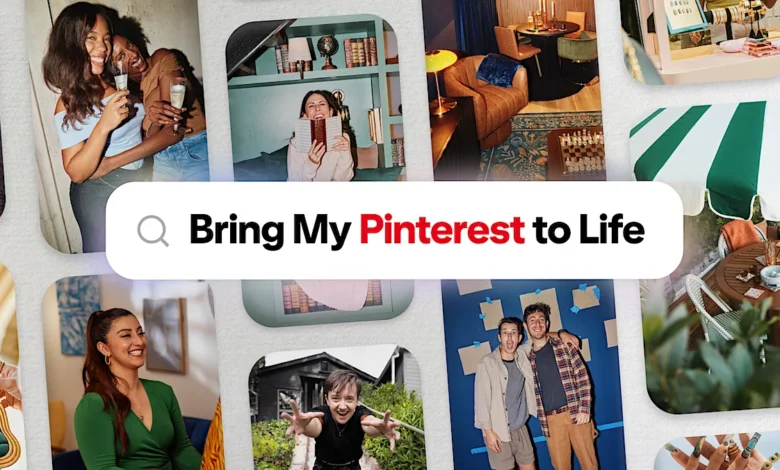
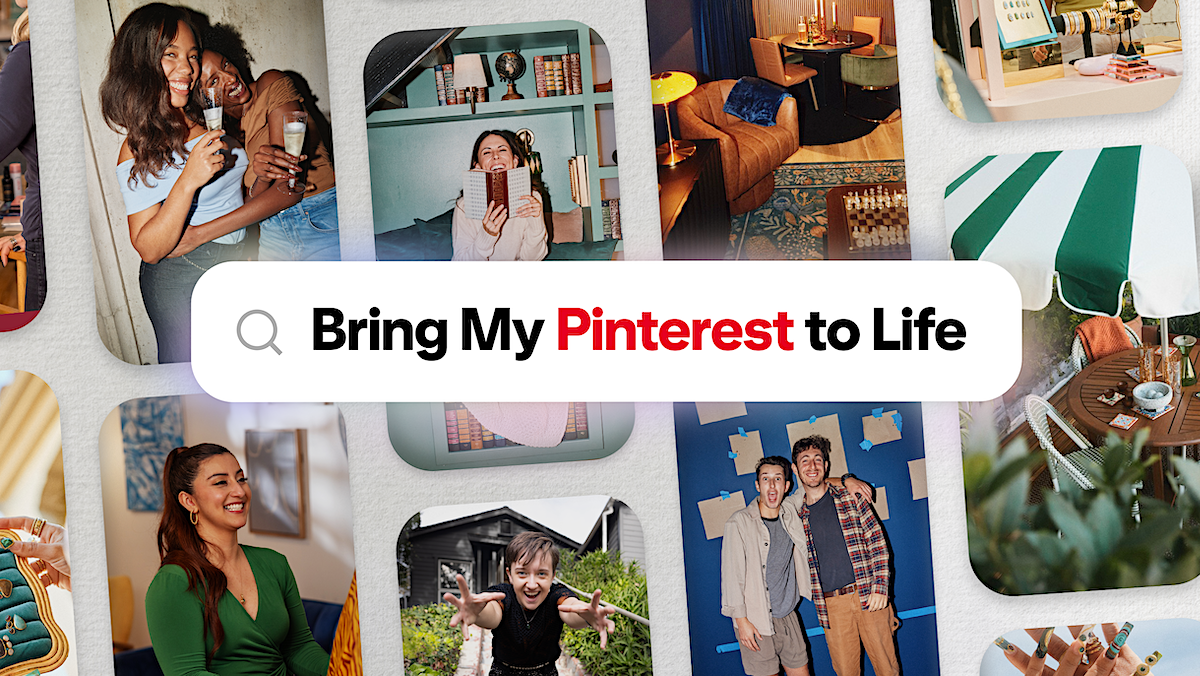
The company is also expanding its footprint in living rooms. Following its acquisition of CTV advertising platform tvScientific in February, Pinterest has opened avenues for brands to execute standalone CTV campaigns. This strategy was previewed earlier in the year with the launch of the Roku series “Bring My Pinterest to Life,” which featured creators helping users redecorate spaces or update wardrobes. Each episode incorporated QR codes linking directly to shoppable Pinterest boards featuring products from major retailers like Wayfair and Michaels. The show is currently filming its second season, slated for release in 2027.
Navigating AI Standards and Promoting Analog Lifestyles
While artificial intelligence anchors Pinterest’s underlying ad infrastructure and visual search algorithms, platform executives took deliberate steps to distance themselves from the broader industry phenomenon of low-quality, automated content often referred to as "AI slop." User complaints regarding automated imagery and recipes across the web have prompted heightened consumer sensitivity, particularly among parents and younger demographics.

To maintain trust, Pinterest rolled out features last year allowing users to actively reduce AI-generated images across sensitive categories such as architecture, beauty, and food and drink. Additionally, the platform automatically disables data sharing for generative AI training for any user under the age of 18. CEO Bill Ready emphasized that advertisers increasingly seek safe digital environments that prioritize child safety and brand integrity over unchecked technological sprawl.
Interestingly, Pinterest is also capitalizing on a cultural counter-movement against constant digital connectivity. Chief Marketing Officer Claudine Cheever highlighted that searches for analog activities and minimalist "dumb phones" have more than doubled on the platform. By marketing itself as a space that encourages real-world actions—such as planning dinner parties, hosting game nights, or organizing home renovations—Pinterest aims to offer a healthier, more intentional alternative to traditional social media feeds.
Robust Financial Performance and Technological Partnerships
Pinterest’s strategic transformation into an AI-powered performance platform is yielding tangible financial results. Last month, the company reported an 18% year-over-year increase in second-quarter sales, rising from $998.2 million. Global average revenue per user surpassed market projections, and the company anticipates third-quarter revenue to land between $1.19 billion and $1.21 billion.
To sustain this growth, Pinterest continues to forge high-level technological alliances. Most recently, Nvidia announced an expanded partnership with Pinterest to enhance the platform’s conversational AI tool, Pinterest Assistant. The upgrade enables the assistant to process 25 times more visual context per request, further refining the personalization of recommendations. Coupled with executive advocacy for open-weight artificial intelligence models, Pinterest is cementing a scalable foundation for future digital commerce.
As brands continually reassess their digital ad spend to maximize return on investment, Pinterest’s evolution from an inspirational mood board to an intent-driven performance engine marks a pivotal chapter in digital advertising. By balancing advanced machine learning with strict content guardrails and a focus on real-world utility, the platform has successfully carved out a distinctive and lucrative niche in the modern media ecosystem.